17.3.2. Report on SDG 2: Zero Hunger
Samar Colleges, Inc. (SCI) recognizes that access to sufficient, safe, and nutritious food is essential to human well-being, educational participation, and sustainable community development. In line with Sustainable Development Goal 2 (Zero Hunger), the institution acknowledges its role in supporting initiatives that address food insecurity, promote proper nutrition, and encourage sustainable food practices among its students, employees, and partner communities.
Providing Food Assistance to Vulnerable Individuals and Families
 |
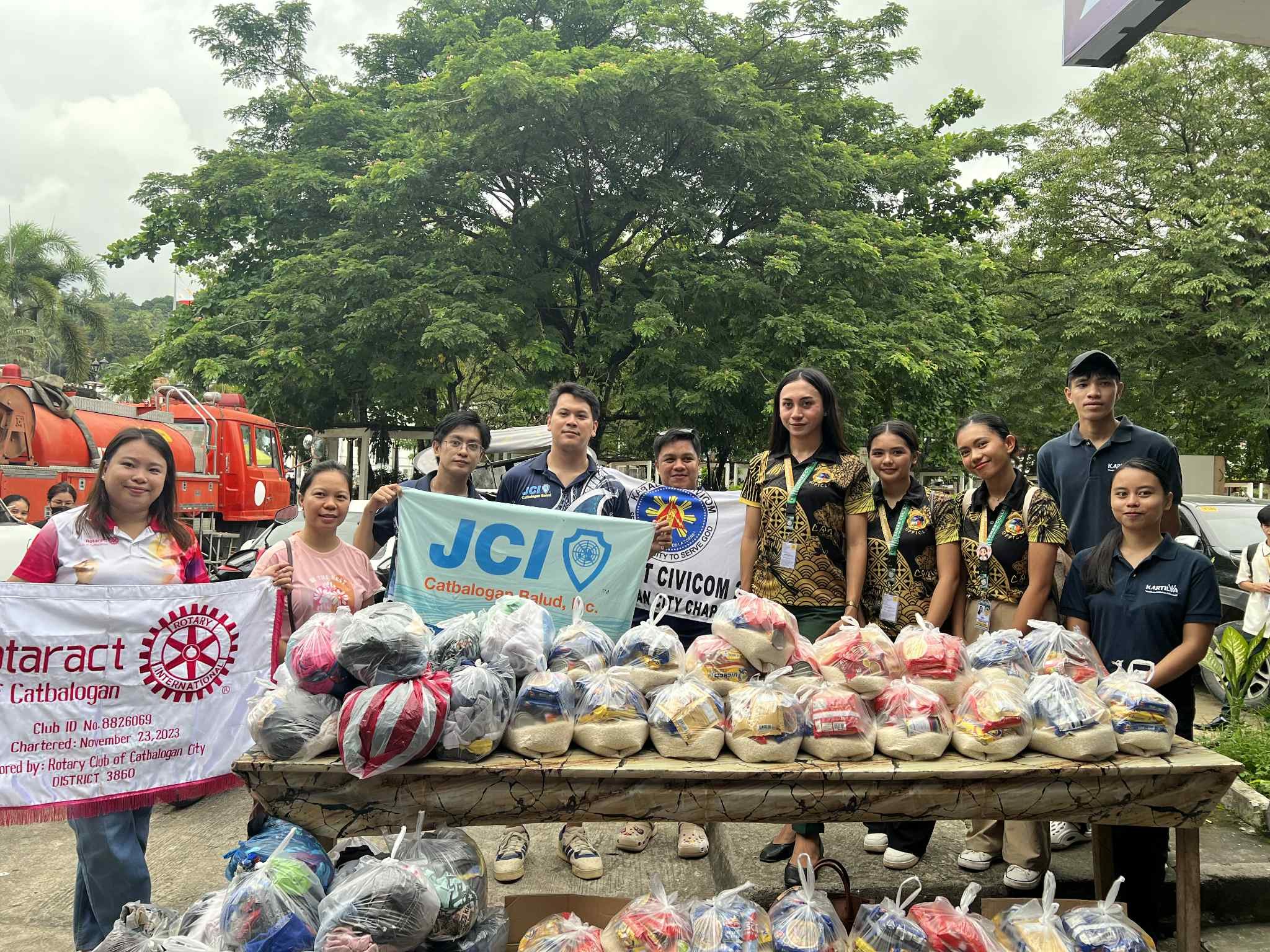 |
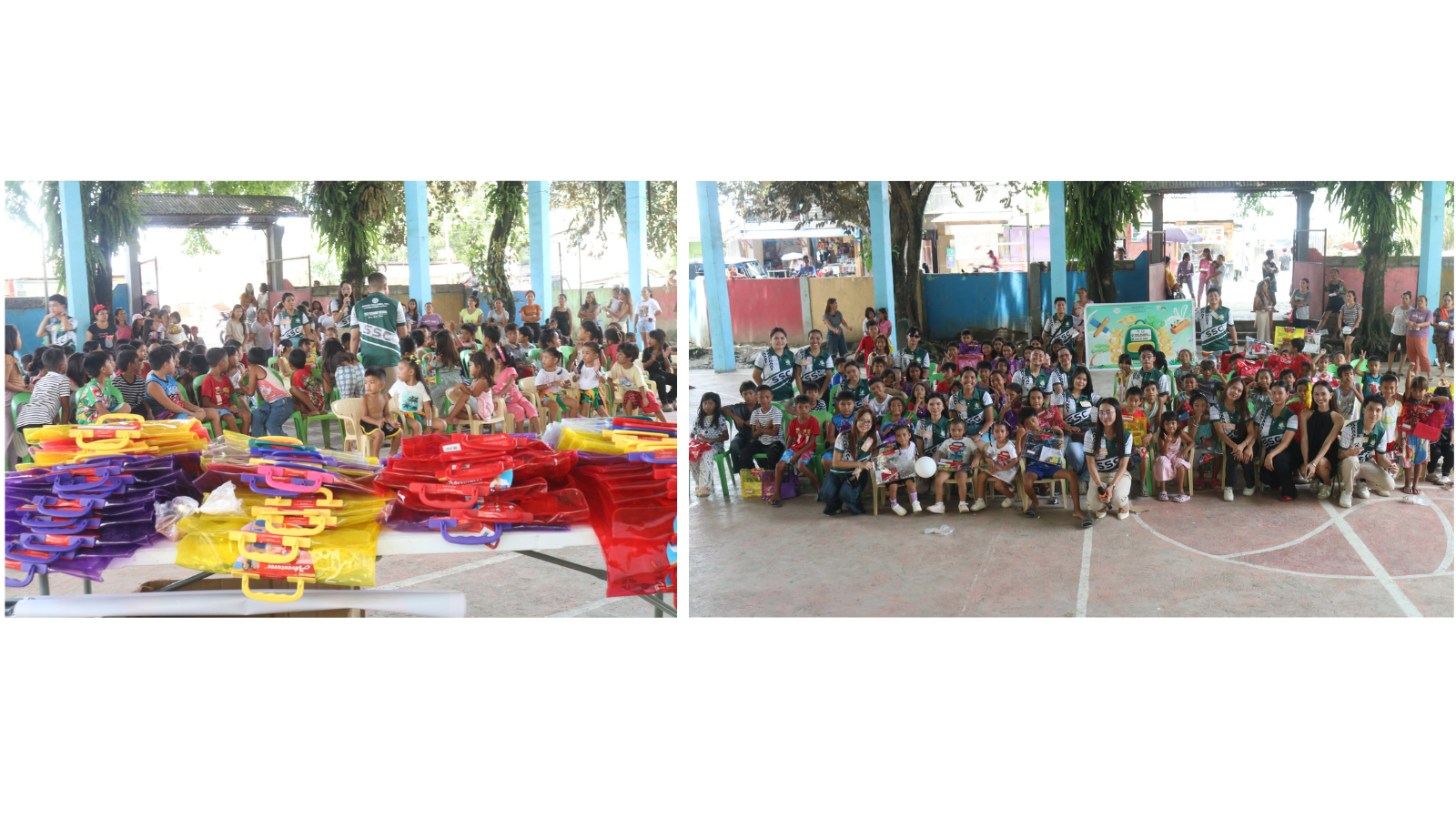
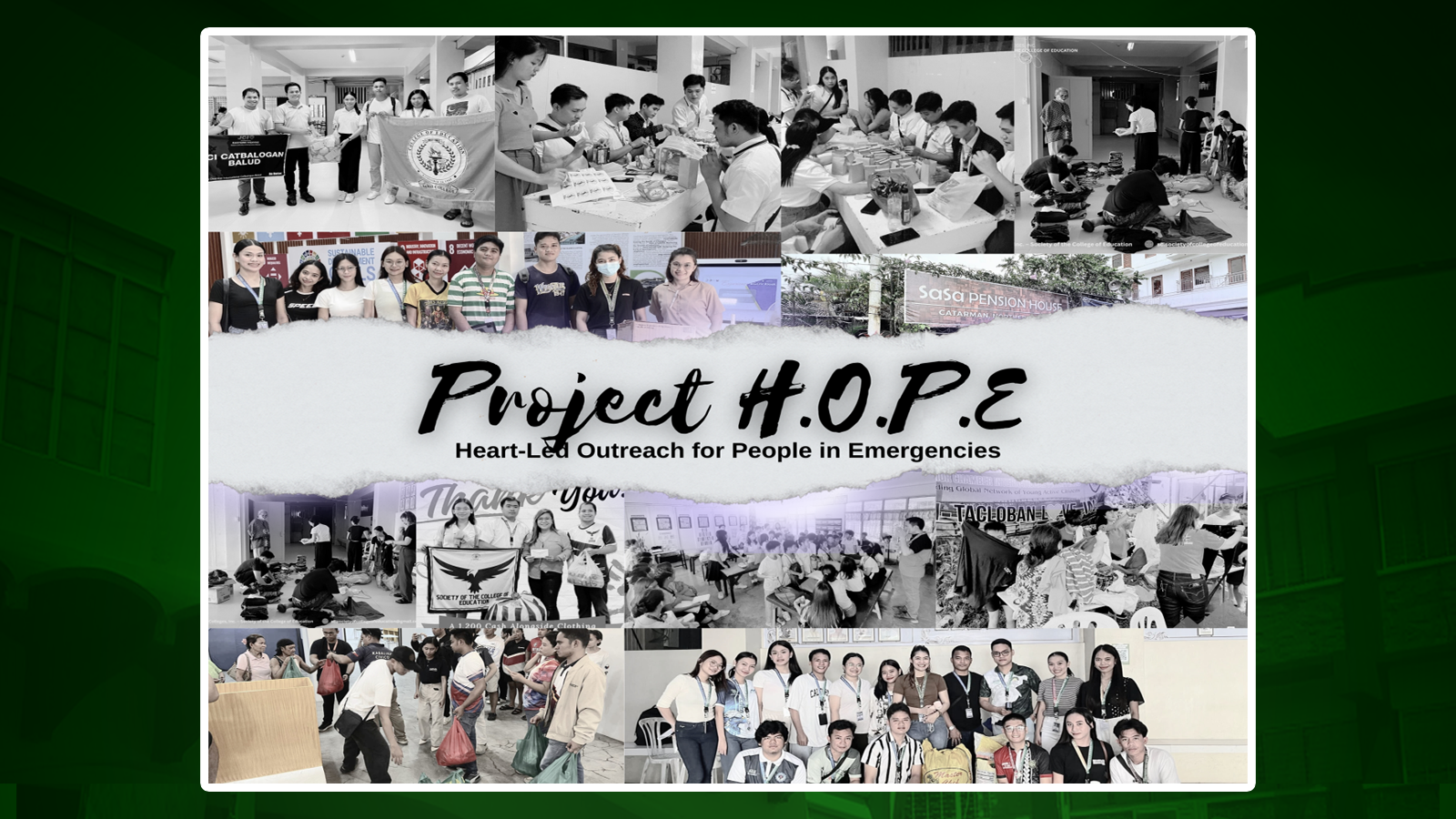
SCI extends assistance to families experiencing difficult circumstances through community outreach and humanitarian initiatives. One notable example is Project H.O.P.E. (Helping Others through Partnership and Engagement), particularly its activity, “Pag-asa sa Gitna ng Sunog,” conducted on October 2, 2025, in partnership with JCI Catbalogan Balud.
The initiative reached 152 individuals from 34 families affected by a fire in Catbalogan City who were temporarily staying at the evacuation center of Our Lady of Salvacion Church. The assistance included food packs, clothing, school supplies, hygiene kits, and monetary support. By providing food assistance alongside other essential supplies, SCI helped address the immediate needs of affected households during a period when their access to basic necessities and regular sources of food may have been disrupted.
This initiative demonstrates the institution's commitment to extending support to vulnerable families through collective action and partnerships, particularly during emergencies that threaten household food security.
Promoting Nutrition and Healthy Food Practices Through Institutional Food Services
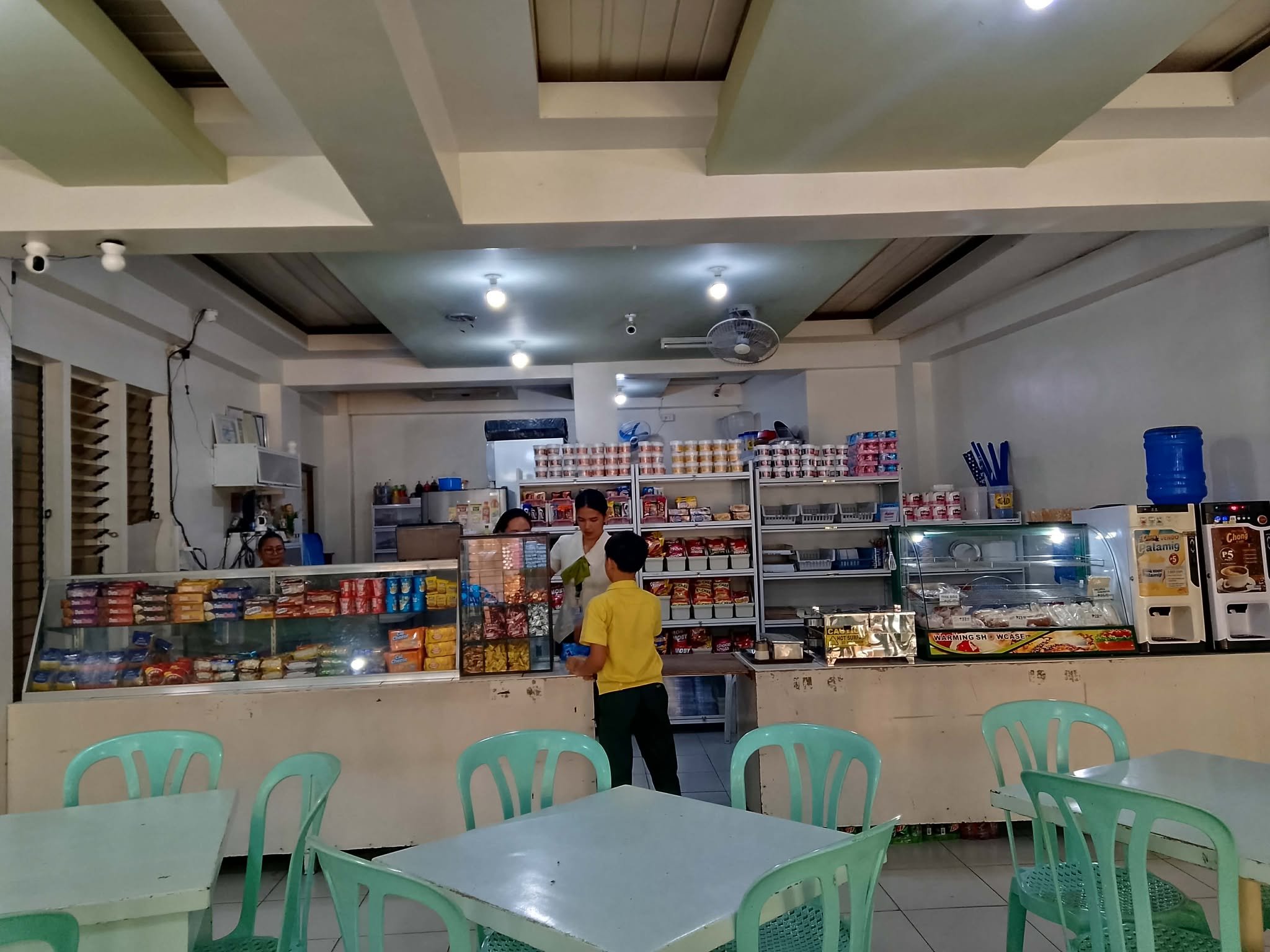
SCI recognizes that addressing hunger involves not only the availability of food but also access to safe, nutritious, and healthful meals. This commitment is institutionalized through its Office of Food Service under the Office of Student Affairs and Services (OSAS).
The promotion of comprehensive and holistic nutrition is a central goal of OSAS' Food Service. It specifically emphasizes proper food handling, sanitation, the provision of healthy and nutritious food choices, and the protection of students' food safety. Its responsibilities include supervising school canteens, monitoring their operations, and recommending healthy food choices to students.
SCI operates designated canteen facilities, including the Main Canteen at the Founders Building, Elementary Canteen at the Basic Education Building, and Food Stalls at the Student Lounge, New Building. Through these institutional services, the College recognizes the importance of maintaining a food environment that supports students' nutritional needs and overall welfare while they pursue their education.
See the School Canteen report here: https://samarcollege.edu.ph/sdg-17-partnerships-for-the-goals/17-3-2/pdf-1/
Developing Food Preparation and Culinary Skills Through Technical-Vocational Education
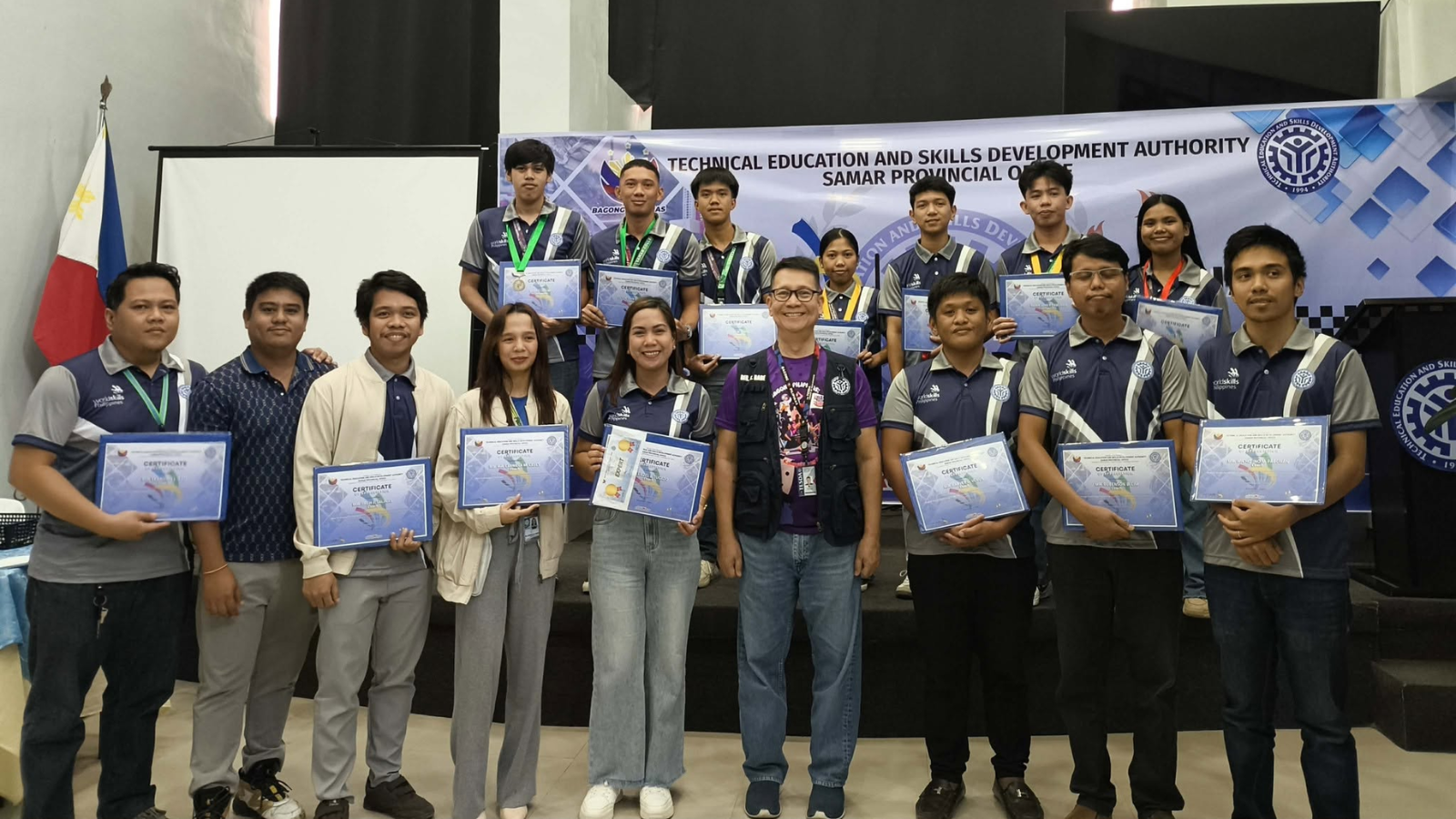
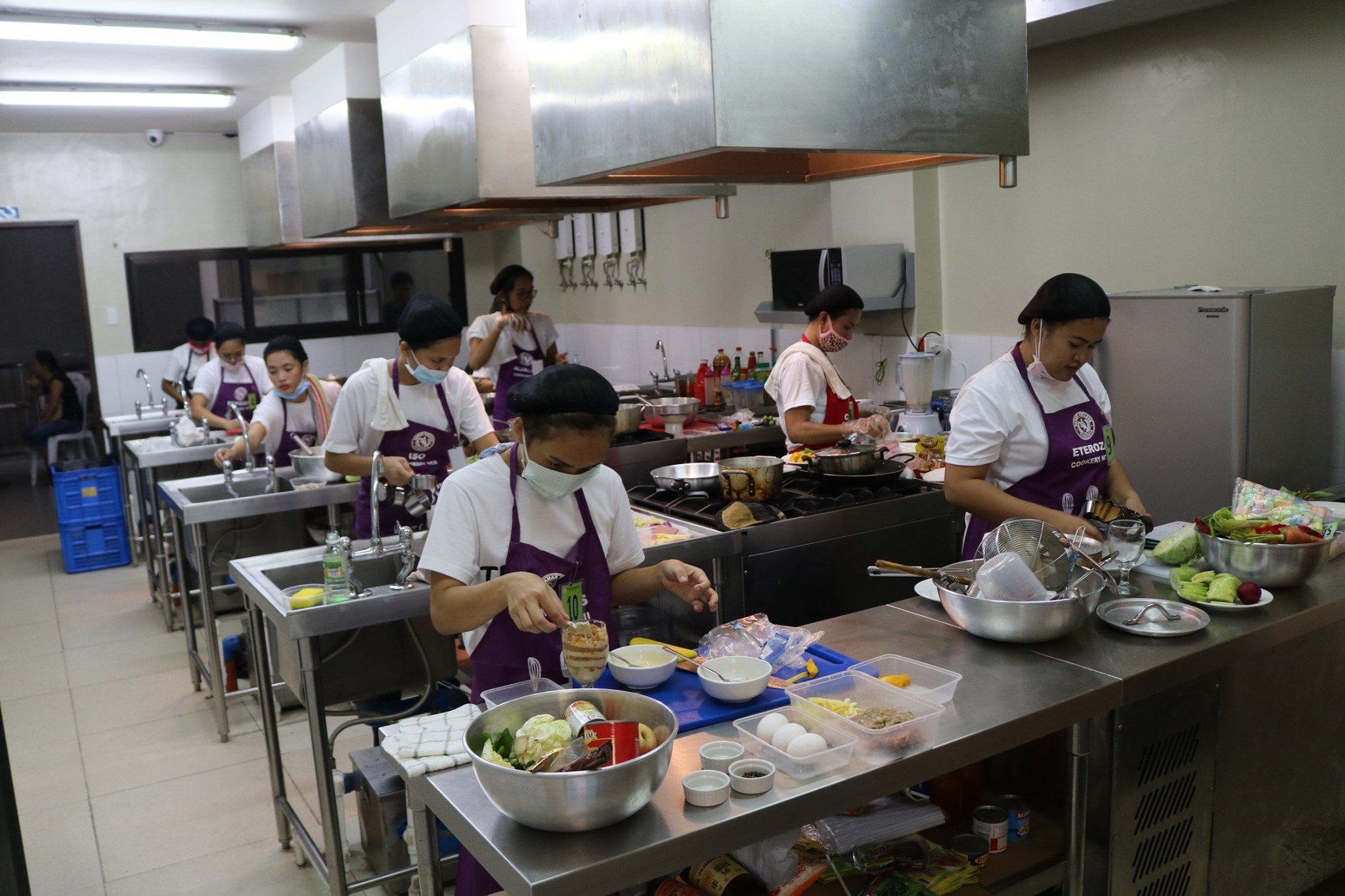
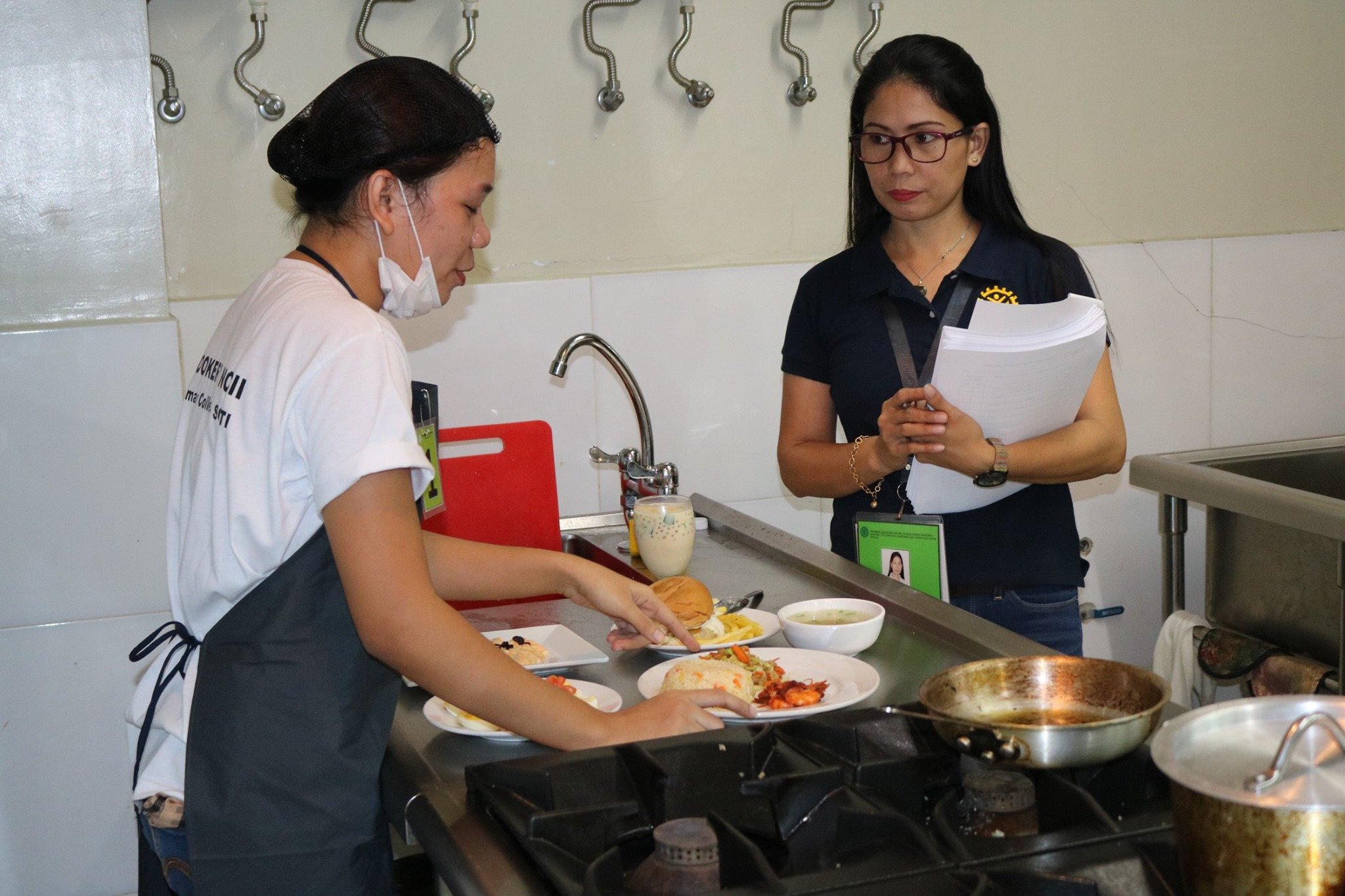
SCI contributes to food-related skills development through the Samar College Technological Institute (SCTI), which offers Cookery NC II, a TESDA-recognized technical-vocational qualification. The program provides learners with opportunities to develop practical competencies in food preparation and culinary operations, equipping them with skills relevant to food service and hospitality-related employment.
The institution's efforts in technical-vocational education also extend to scholarship-supported training opportunities, allowing qualified learners to pursue skills development through TESDA assistance. By making culinary training accessible and developing competencies that can be applied in employment or livelihood activities, SCI supports opportunities for individuals to improve their economic circumstances through food-related occupations.
Proof of Samar Colleges' Authority To Offer Cookery: Certificate of TVET Program Registration
 |
 |
SCI further integrates food preparation and hospitality training into actual enterprise operations through SC Hotel: An INNOLAB (Innovation and Learning Laboratory). The facility serves as a commercial establishment and practical training environment for Senior High School Technical-Vocational-Livelihood learners, TESDA-funded SCTI Cookery scholars, and College of Business and Management students.
Through this education-through-enterprise model, learners gain exposure to actual hospitality operations and opportunities to apply their culinary and service-related competencies in a practical setting. The initiative strengthens the connection between technical education and industry experience, helping prepare students for employment and livelihood opportunities in the food service and hospitality sectors.